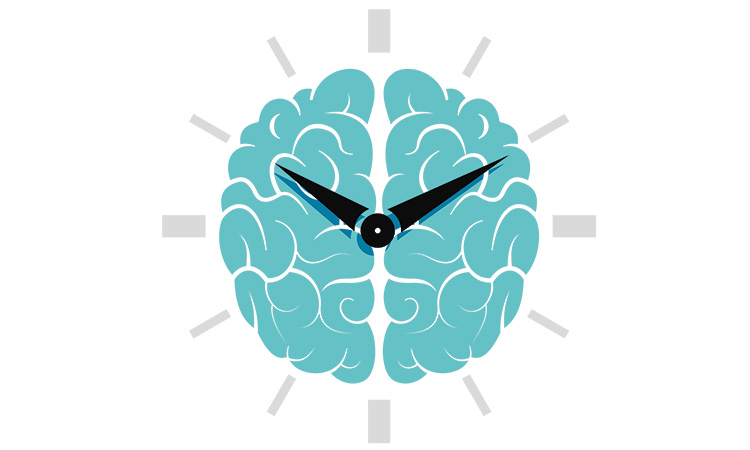
Digital platforms dominate modern life. Sports bettors track live odds for hours. Casino players monitor bonuses, leaderboards, and tournaments across multiple devices. Constant connectivity improves access—but it also creates digital burnout.
Digital burnout occurs when prolonged screen exposure strains cognitive systems, reducing focus, impulse control, and analytical clarity. For anyone involved in online gambling or sports betting, understanding this phenomenon is critical. Decision quality declines long before users realize it.
What Is Digital Burnout?
Digital burnout is a state of mental fatigue caused by excessive interaction with screens—phones, tablets, laptops, and multi-monitor setups. Unlike physical tiredness, it primarily affects cognitive performance.
Research from institutions such as Stanford University shows that heavy multitasking and constant digital switching reduce sustained attention capacity.
Symptoms include:
- Reduced concentration span
- Slower reaction time
- Increased irritability
- Poor short-term memory
- Impulsive decision-making
In betting environments, these symptoms directly impact performance.
How Screen Fatigue Alters Decision-Making
Long periods of screen exposure overstimulate dopamine pathways. Rapid updates—live scores, odds changes, notifications—train the brain to expect constant novelty.
The Attention Fragmentation Problem
When bettors switch between apps, statistics pages, and live streams, cognitive load increases. The brain spends energy shifting context rather than analyzing information deeply.
This results in:
- Superficial odds evaluation
- Missed statistical details
- Emotional rather than strategic bets
Over time, fragmented attention weakens analytical discipline.
Reaction Time and Live Betting Risks
Live betting requires fast interpretation of unfolding events. Digital burnout slows neural processing speed.
Studies referenced by Harvard Medical School indicate that mental fatigue significantly reduces response accuracy in high-stakes tasks.
Micro-Delays Matter
In live sports wagering, even small cognitive delays can lead to:
- Placing bets at outdated odds
- Misreading momentum shifts
- Overreacting to temporary swings
Fatigue does not just reduce speed—it increases error probability.
Emotional Regulation Under Screen Stress
Extended screen exposure elevates stress hormones, especially when combined with financial risk. Cortisol spikes impair rational thinking and heighten emotional reactivity.
For casino and betting users, this may appear as:
- Chasing losses
- Increasing stake sizes impulsively
- Ignoring pre-set bankroll limits
Digital overstimulation reduces the prefrontal cortex’s ability to regulate emotional impulses.
Why Online Environments Intensify the Effect
Unlike physical casinos, online platforms never close. Notifications, promotions, and real-time updates create continuous engagement loops.
Without structured breaks, cognitive fatigue accumulates invisibly.
Sleep Disruption and Cognitive Decline
Blue light exposure from screens interferes with melatonin production. Poor sleep compounds digital burnout.
The National Institutes of Health reports that sleep deprivation reduces working memory and risk evaluation capacity.
For bettors, insufficient sleep leads to:
- Lower probability estimation accuracy
- Increased reliance on intuition instead of analysis
- Greater susceptibility to emotional swings
Sustained sleep disruption accelerates long-term cognitive decline.
Multitasking Myth in Betting Strategy
Many users believe they perform better when monitoring multiple matches simultaneously. Neuroscience suggests otherwise.
True multitasking does not exist. The brain switches rapidly between tasks, sacrificing depth for breadth.
Consequences of excessive multitasking include:
- Reduced comprehension of game dynamics
- Increased mental fatigue
- Higher stress levels
- Inconsistent strategy execution
Focused analysis of one event often yields stronger results than divided attention across several.
Signs You’re Experiencing Digital Burnout
Recognizing burnout early prevents costly mistakes.
Common warning signs include:
- Difficulty recalling recent betting decisions
- Placing wagers without reviewing full statistics
- Feeling mentally drained after short sessions
- Irritability during losing streaks
- Trouble sleeping after screen-heavy days
These signals indicate it is time to reset cognitive load.
Practical Strategies to Protect Focus
Reducing digital burnout does not require abandoning online betting. It requires structured discipline.
Effective strategies include:
- Scheduling defined betting sessions
- Taking 5–10 minute breaks every hour
- Limiting simultaneous match monitoring
- Turning off non-essential notifications
- Avoiding late-night screen exposure
Create Cognitive Boundaries
Before logging in, define:
- Maximum session duration
- Pre-set bankroll limits
- Clear exit rules
Boundaries protect judgment when fatigue sets in.
Long-Term Brain Health and Performance
Chronic digital overload reshapes neural pathways. Constant high-stimulation environments reduce tolerance for slower, analytical thinking.
Maintaining cognitive sharpness requires balance:
- Physical exercise to improve circulation
- Offline activities to reduce stimulation
- Consistent sleep cycles
- Structured financial tracking
Just as athletes require recovery periods, the brain needs downtime to maintain performance.
The Competitive Edge of Mental Clarity
In sports betting and casino strategy, focus is an advantage. Analytical clarity separates disciplined bettors from impulsive ones.
Digital burnout quietly erodes that edge. Reaction slows. Emotions intensify. Details blur.
Managing screen exposure is not about avoiding technology—it is about controlling it.
Conclusion
Digital burnout is a real cognitive risk in an always-connected betting environment. Excessive screen time weakens focus, slows reaction speed, disrupts sleep, and increases impulsive behavior.
For casino and sportsbook users, protecting mental clarity is as important as bankroll management. Structured screen habits, defined session limits, and deliberate recovery periods preserve judgment and long-term performance.
In digital gambling, discipline extends beyond money. It includes attention.